


How to Manage a Second Home in France When Living Abroad
14, Oct 2026
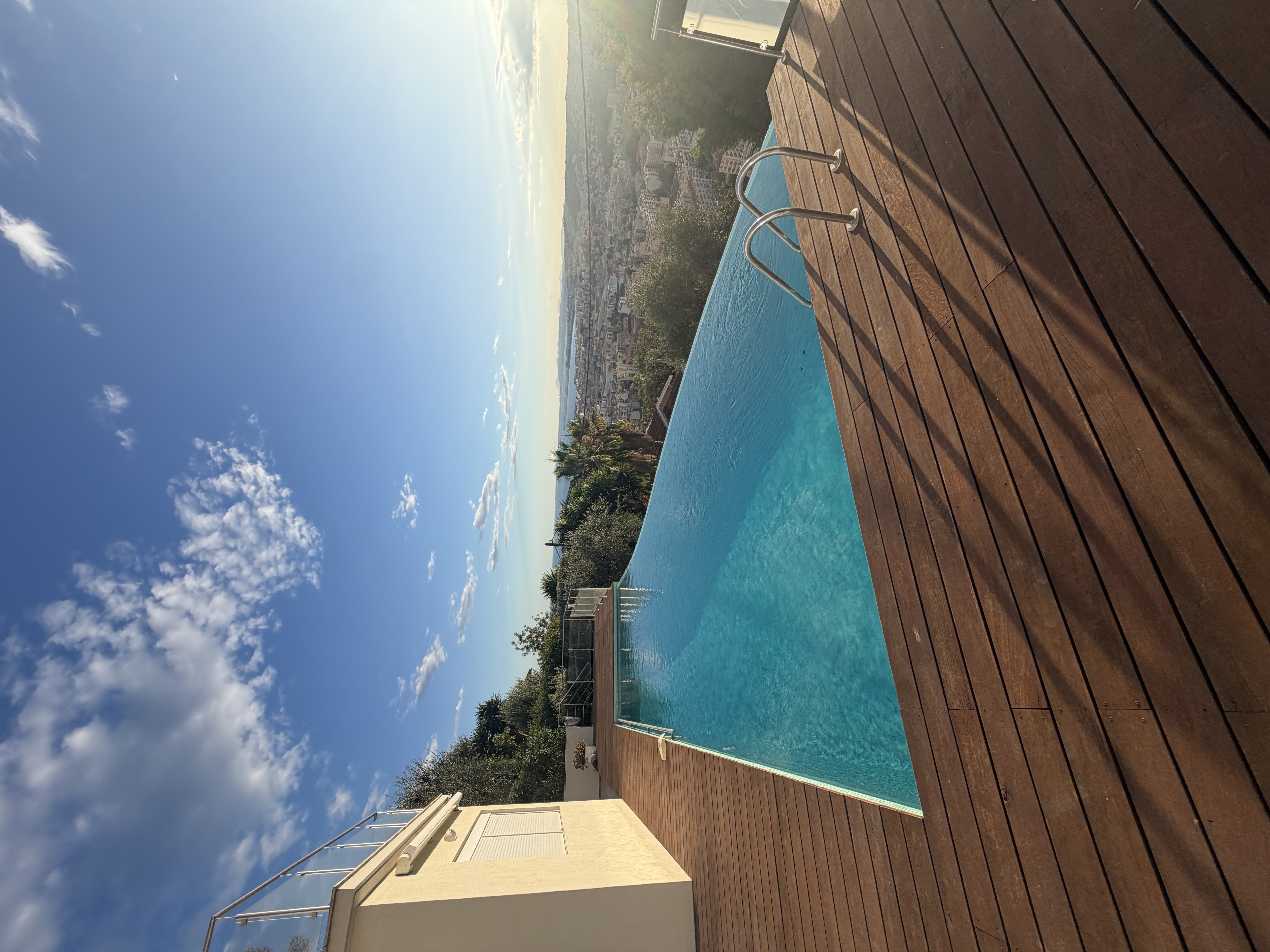
Owning a second home in France is a dream for many international property owners. Whether you have a villa on the French Riviera, a holiday apartment in Cannes or a family home in Provence, having a property in France offers the opportunity to enjoy the French lifestyle, beautiful landscapes and Mediterranean climate.
However, managing a property from another country can be challenging. From maintenance and security to administrative paperwork and unexpected repairs, a home requires regular attention even when you are not there.
The good news is that with the right organisation and trusted local support, managing your second home from abroad can be straightforward and stress-free.
In this guide, we explain how to protect your property, manage ongoing responsibilities and enjoy peace of mind while living overseas.
1. Arrange Regular Property Inspections
One of the most important aspects of managing a second home is making sure it is checked regularly, particularly when it remains empty for extended periods.
Small problems can develop into costly repairs if they go unnoticed. A minor water leak, an electrical issue, dampness or a problem with pool equipment can cause significant damage when left unattended.
Regular inspections can help identify potential issues early. Depending on the property, checks may include:
- Inspecting doors, windows and access points.
- Looking for signs of water leaks, dampness or unusual odours.
- Checking taps, toilets and visible plumbing.
- Looking for signs of pests or storm damage.
- Checking the general condition of the interior and exterior.
- Identifying maintenance requirements before the next visit.
The frequency of inspections should reflect the property's condition, location, season and level of use.
For owners living abroad, working with a local property management company provides an additional layer of oversight. A local contact can visit the property, report any concerns and arrange follow-up work when necessary.
2. Find Reliable Local Maintenance Professionals
When you live abroad, arranging repairs can be one of the most frustrating parts of property ownership.
You may need a plumber to investigate a leak, an electrician to resolve a fault, a gardener to maintain the outdoor areas or a technician to service the air-conditioning system. Coordinating several contractors from another country can be time-consuming, particularly when communication takes place in a different language.
Establishing relationships with reliable local professionals makes this process easier.
Ideally, your local network should include:
- A plumber and an electrician.
- A general maintenance professional or handyman.
- A pool maintenance company, if applicable.
- A gardener or landscaping service.
- An air-conditioning and heating technician.
- Trusted specialists for larger repairs or renovations.
Before authorising work, ask for a written quotation, clarify the scope of the work and agree on how completion will be confirmed. For significant repairs, request photographs or arrange an on-site inspection.
A property manager on frence riviera can help coordinate access, collect quotations, follow up with contractors and keep you informed throughout the process.
3. Protect Your Property Against Water Damage and Other Risks
Water leaks are among the issues that can cause serious damage to an unoccupied home. A leaking pipe, a faulty appliance or an overflowing system may go unnoticed for days or weeks if nobody visits the property.
There are several practical steps you can take to reduce risks:
- Identify the location of the main water shut-off valve.
- Ask a qualified professional whether shutting off the water supply while the property is empty is appropriate for your plumbing and heating systems.
- Consider water-leak detectors or an automatic shut-off system.
- Check that drainage systems are clear.
- Inspect the roof, gutters and exterior after severe weather.
- Maintain appropriate ventilation to help control humidity.
- Arrange regular checks of essential equipment.
Do not switch off heating, ventilation or other systems without considering the consequences for the property. The correct approach will depend on the building, the season and the equipment installed.
It is also important to review your home insurance policy. Inform your insurer that the property is a second home and explain how frequently it is occupied. Check whether the policy specifies inspection requirements, maximum periods of vacancy, security conditions or procedures to follow in the event of a claim.
4. Keep Your Garden and Swimming Pool Maintained
Outdoor spaces are an important part of owning a property in France, particularly on the French Riviera. However, gardens and swimming pools require attention throughout the year.
During warmer months, gardens may need frequent watering, pruning and general maintenance. Swimming pools require appropriate water treatment, equipment checks and cleaning.
During autumn and winter, leaves, storms and changing temperatures can create additional maintenance requirements.
Your maintenance plan should account for:
- Seasonal garden maintenance and irrigation.
- Swimming pool cleaning and water treatment.
- Pool pump, filtration and equipment checks.
- Winter protection where required.
- Clearing leaves and checking outdoor drainage.
- Preparing terraces and outdoor furniture before your arrival.
A seasonal maintenance schedule helps prevent problems and ensures that your outdoor spaces are ready to enjoy when you return.
For larger villas, coordinating these services through one local point of contact can make managing several providers much easier.
5. Stay on Top of French Property Taxes and Administration
Living abroad does not remove your responsibilities as a property owner in France.
Depending on your circumstances, you may need to manage property tax (taxe foncière), second-home residence tax (taxe d’habitation sur les résidences secondaires), insurance renewals, utility contracts and other administrative matters.
You should also make sure that the property's occupation status is correctly declared to the French tax authorities when required.
The French tax authorities provide specific guidance for non-residents who own property in France. You can consult the official website at impots.gouv.fr for information about local taxes, declarations and payment procedures.
Keep copies of important documents, including:
- Property insurance policies.
- Tax notices and payment confirmations.
- Electricity, water, gas and internet contracts.
- Maintenance contracts and invoices.
- Contractor quotations and warranties.
- Property ownership and administrative documents.
Set up reminders for annual renewals and payment deadlines. Where possible, use online accounts and electronic correspondence to make documents accessible while you are abroad.
If you rent out your property, additional tax and regulatory obligations may apply. Your responsibilities depend on your ownership structure, rental arrangements, location and tax residence, so seek advice from a qualified professional where necessary.
6. Organise Utilities and Essential Services
Electricity, water, gas, internet and other utilities should be managed carefully when a property is used only occasionally.
Review your contracts to make sure they suit your property's actual use. Avoid cancelling essential services without considering security, heating, alarms, remote monitoring and the risk of damage.
A simple utilities checklist should include:
- Keeping track of supplier contracts and account details.
- Monitoring unusual consumption where online readings are available.
- Checking water and electricity meters when appropriate.
- Arranging professional servicing of relevant equipment.
- Ensuring that emergency contacts are up to date.
- Keeping a record of service providers and account references.
If a property remains empty for several months, unexpected consumption may indicate a leak, equipment fault or other problem. Monitoring usage and arranging local checks can help you investigate unusual changes.
7. Make Security a Priority
A second home that is empty for long periods needs an appropriate security plan.
Start with the basics: secure doors and windows, maintain exterior lighting and make sure alarm systems are functioning correctly. Depending on the property, you may also consider cameras, remote monitoring or smart-home technology.
Other useful precautions include:
- Keeping spare keys in a secure, controlled location.
- Avoiding public announcements that reveal when the property is empty.
- Asking a trusted local contact to report anything unusual.
- Checking that alarm systems and access codes remain up to date.
- Reviewing who has access to the property and when.
Smart-home systems can provide useful remote access to cameras, temperature controls, alarms and leak detectors. However, technology is not a substitute for physical inspections, particularly when a repair or emergency requires someone to attend the property.
8. Decide Whether to Rent Out Your Second Home
Some owners choose to rent out their second home when they are not using it. This can help offset running costs, but holiday rental management involves additional responsibilities.
Depending on the service you choose, managing a holiday rental may involve:
- Creating and maintaining listings on platforms such as Airbnb and Booking.com.
- Managing enquiries and reservations.
- Communicating with guests before and during their stay.
- Coordinating check-in and check-out.
- Organising cleaning and linen services.
- Responding to maintenance problems during guest stays.
Before renting out your property, check the rules that apply in the relevant municipality, including any registration, declaration, authorisation or change-of-use requirements. Requirements can differ between locations, and local restrictions may apply.
You should also confirm that your insurance covers the intended rental activity and understand the tax treatment of rental income.
It is useful to distinguish between property management and rental management. Property management focuses on the condition, maintenance, inspections and administration of the home. Rental management focuses on reservations, guests and the practical organisation of stays. Some owners need both services, while others only require property care.
Owning a second home in France should be an enjoyable experience, even when you live thousands of kilometres away.
With regular inspections, reliable maintenance professionals, organised administration and a clear emergency plan, you can reduce the risk of unexpected problems and keep your property in good condition.
For many international homeowners, working with a local property management company is the most practical way to coordinate these responsibilities. It provides local support when you cannot be there yourself and helps ensure that your home is looked after throughout the year.
How Azur Property Care Can Help
At Azur Property Care, we support owners of second homes, apartments and villas across the French Riviera.
Based in Valbonne, we provide personalised property care services, including regular inspections, maintenance coordination, repairs, pool and garden services, administrative assistance and emergency support. Rental management services can also be arranged for owners who wish to welcome holiday guests.
Whether you live abroad all year or visit your property only during the holidays, we can help you organise the care your home needs.